Skip to content

Inside the yard

The old workshop

The nursery is an old converted workshop just off South Street in Bridport. It was built for people making things, which means it was built for light and for room to move about, and that is what the children have inherited.

The brick and the timber are still there. The tall windows mean the rooms are bright even on a grey Dorset morning, and there's space for low tables, baskets and a row of pegs by the door without anyone being on top of anyone else.

This page is the look round I'd give you if you called in. The real one is better, and you're welcome to it.

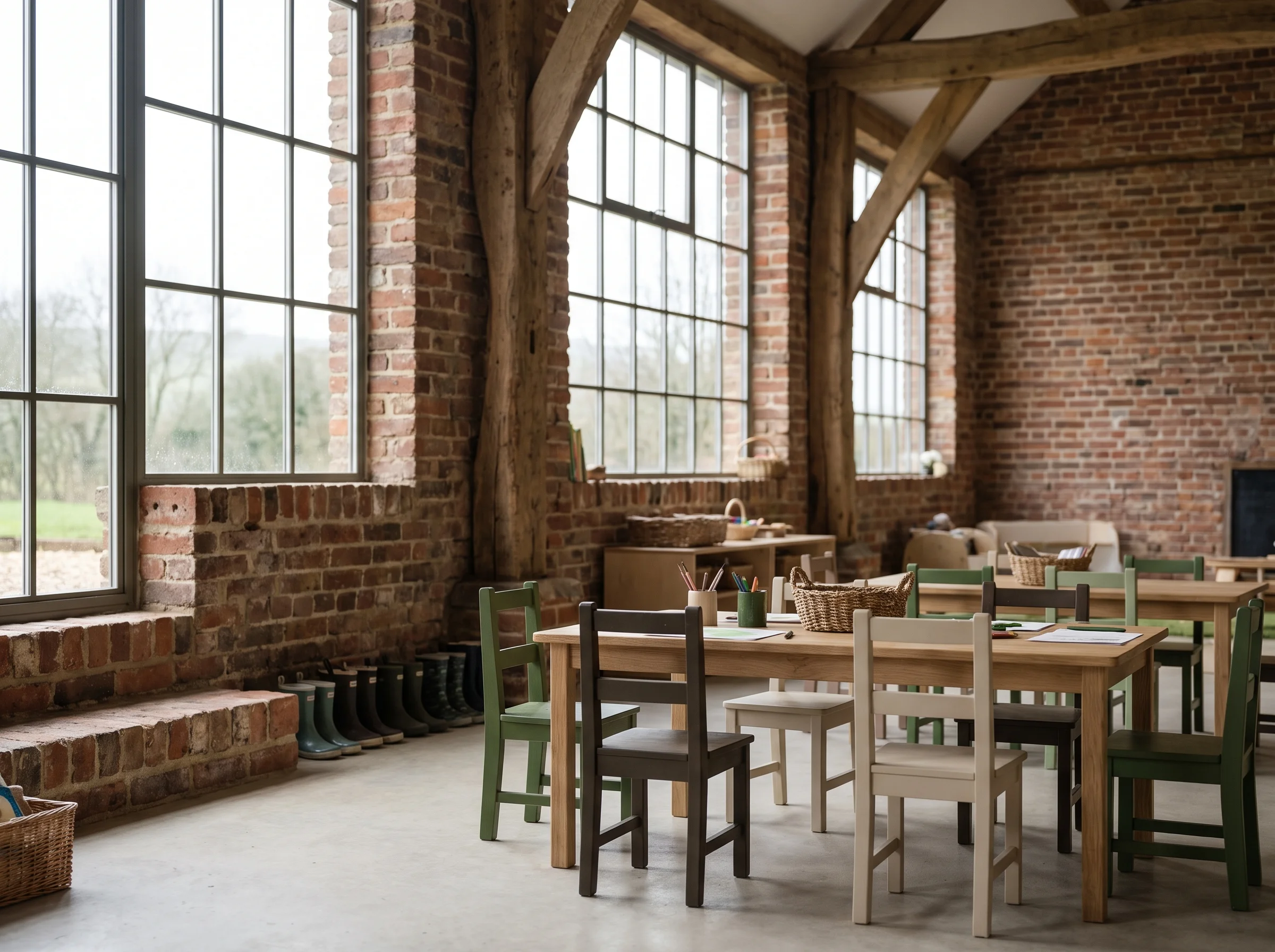
Inside the converted workshop from child height: old brick, timber beams and tall windows, with low wooden tables and small painted chairs in the foreground
The workshop floor, from about the height of a three-year-old.

Two rooms

Two rooms, about thirty children between them

The workshop is split in two. Babies from nine months are in one room; the older children, right up to the term they start school, are in the other. That's the whole arrangement.

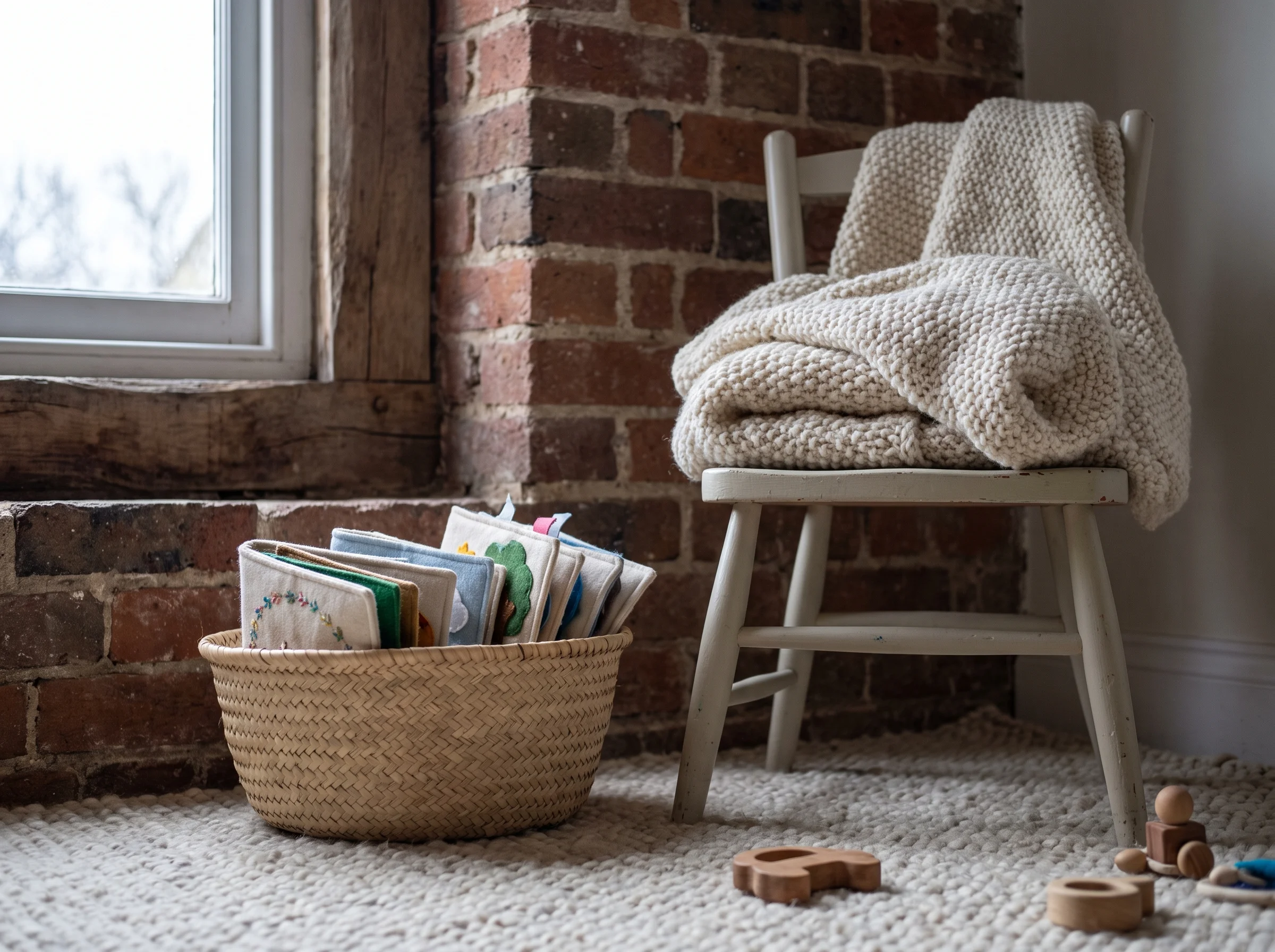
  • A quiet corner of the baby room: a basket of cloth books and a knitted blanket over a low wooden chair, with old brick behind

    From 9 months

    The baby room

    This is where I work myself, three days a week. I own the nursery, but I'd rather be on the floor with the babies than in an office, and a baby room with the owner in it is a different sort of baby room.

    It's kept slow and soft. Babies start with us from nine months, and because the whole nursery is about thirty children, I know each of them and most of their parents by name.

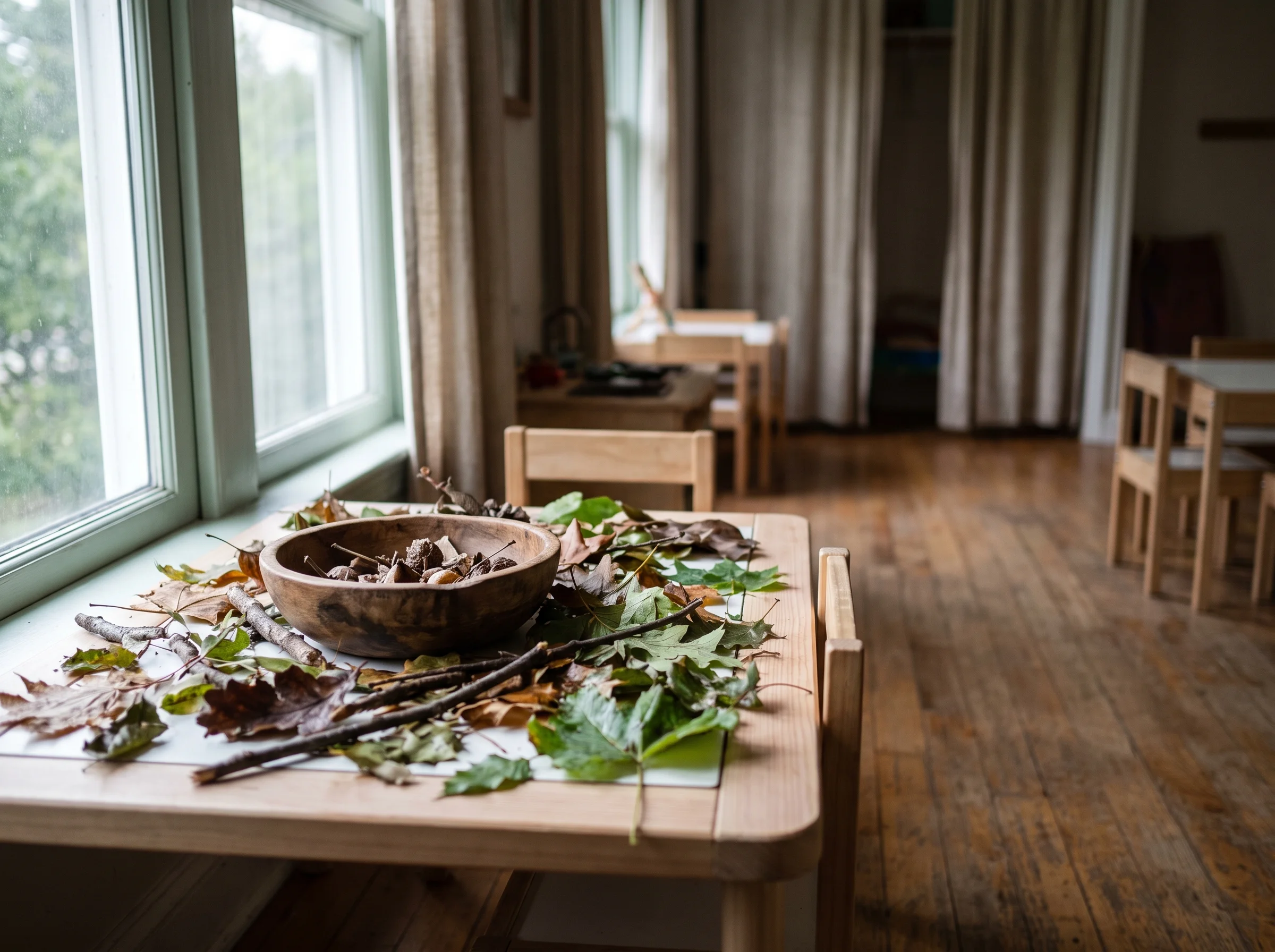
  • A low table in the older children's room laid with leaves, sticks and a wooden bowl, two small painted chairs pushed in

    Up to school age

    The older children's room

    The bigger room, for the children who've grown out of the baby room and stay with us through their preschool years until they leave for school.

    A good deal of what ends up on the tables in here has come in from outside: leaves, sticks, and stones from the river. The room is set up for children who want to get on with something, and for them to go out through the gate whenever the day allows, which is most days.

Out in the garden

A lot of the day happens out here, whatever the weather

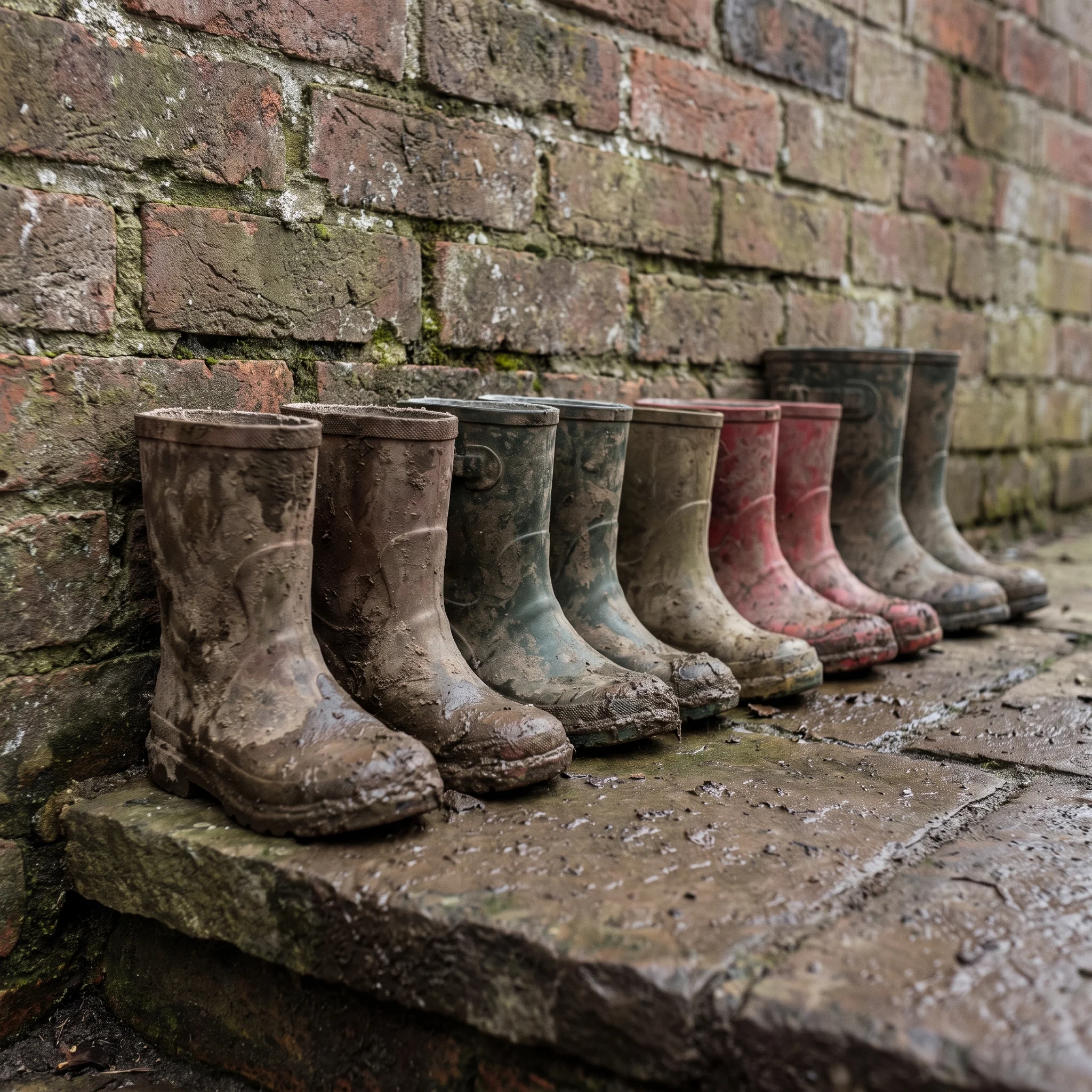
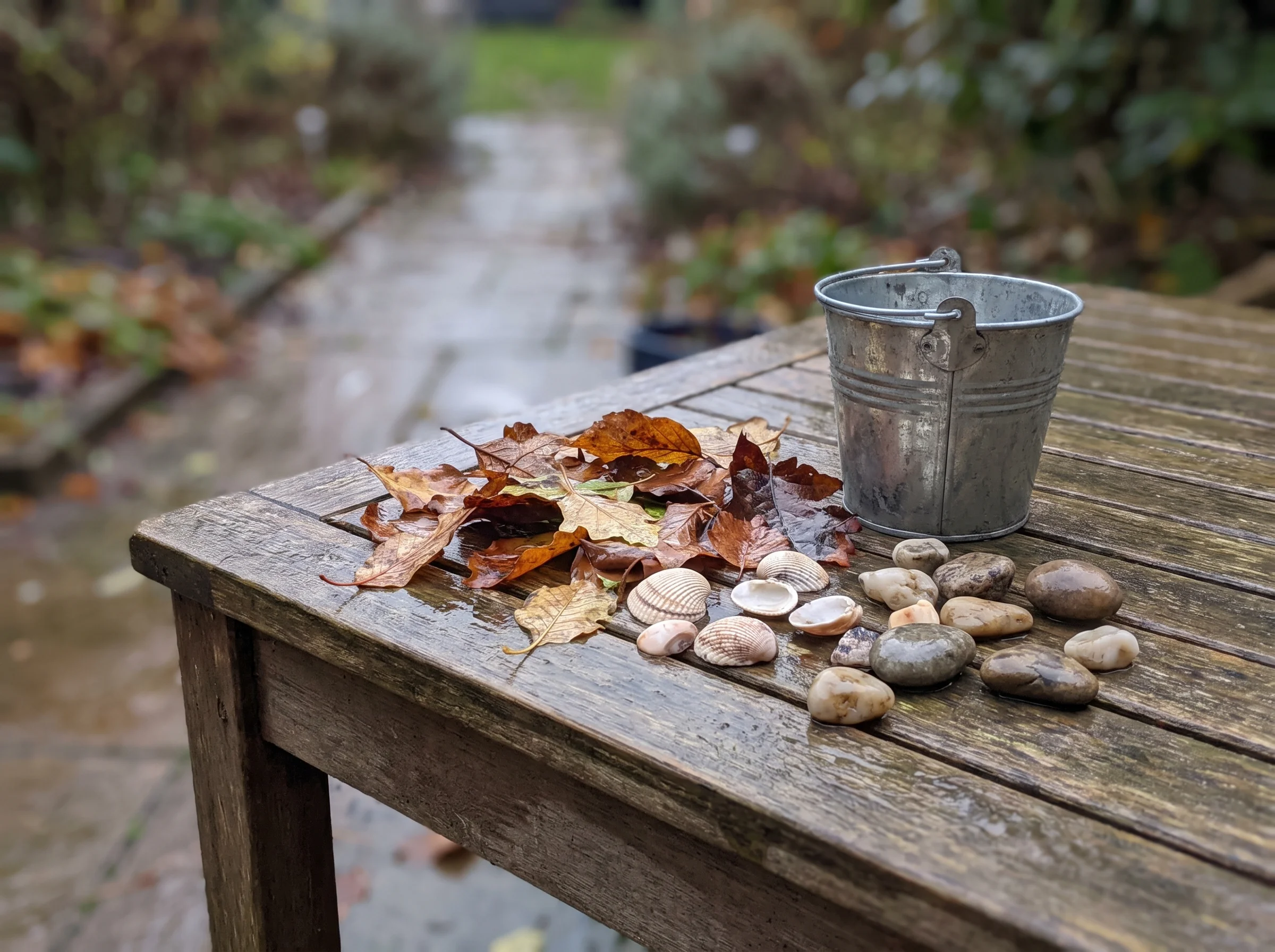
Through the gate from the yard is the garden: raised beds, a tin watering can that gets more use than anything indoors, a brick wall where the wellies dry, and a low table where whatever's been found gets laid out. We go out in the wet as well as the dry. That's why the wellies are usually damp.

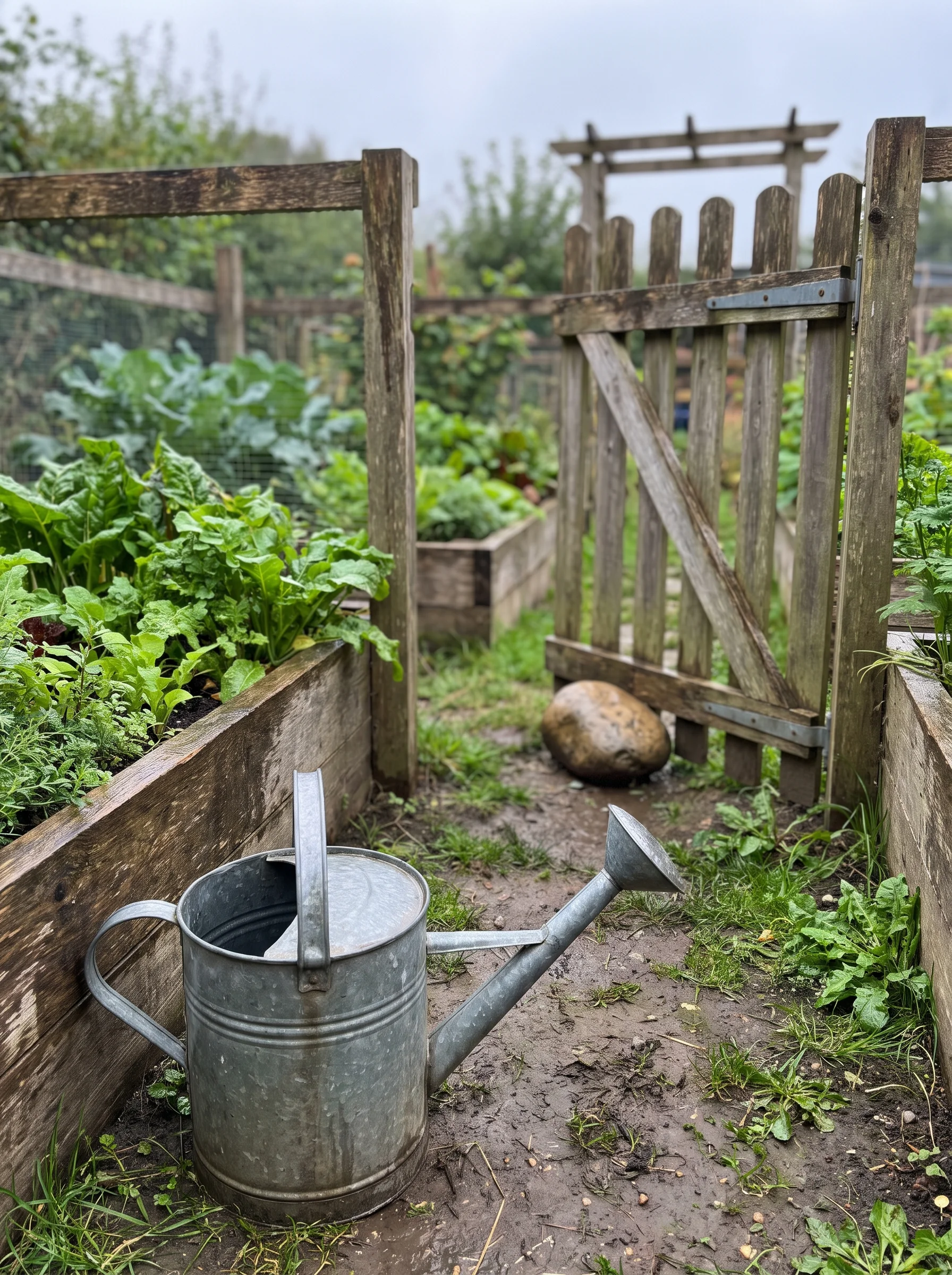
  • The nursery garden from knee height: raised beds, a tin watering can on a damp brick path and the gate propped open with a stone beyond
    The beds, the can and the gate.
  • A row of small muddy wellies drying along the foot of the brick garden wall
    Where the wellies dry.
  • Wet leaves, a snail shell, feathers and pebbles laid out on a low wooden garden table beside a small enamel bucket
    The morning's finds.
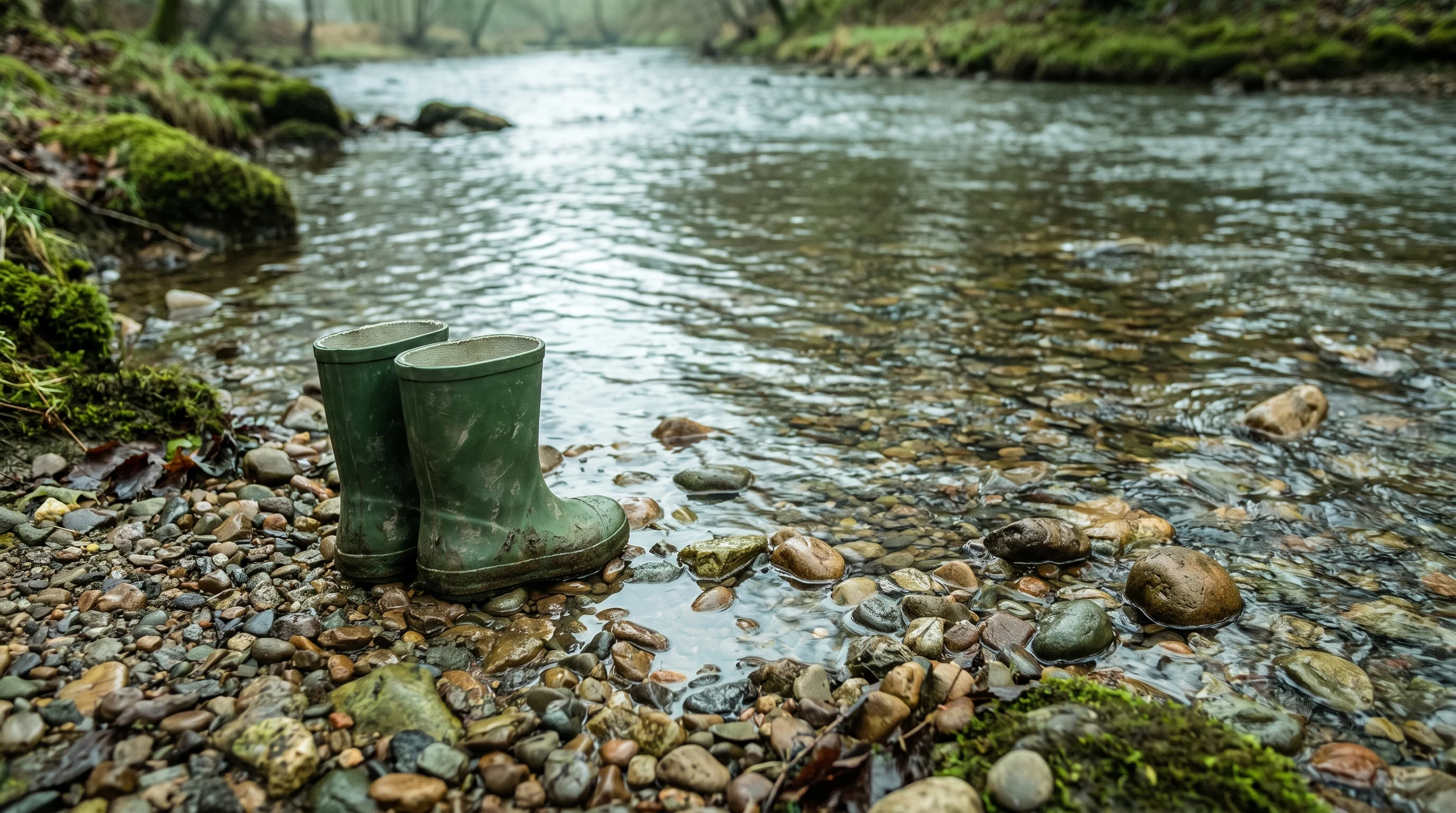
Shallow clear river over pebbles, with two pairs of small wellies standing at the water's edge and a green hedged bank beyond
The water's edge, where most of the stones come from.

Walks to the river

Down the lane to the river

The river isn't far from the yard, so we walk down to it regularly. Tabards on, a grown-up at the front and one at the back, and a short line of small boots in between going at the pace of the slowest pair.

At the water's edge there are stones to turn over, shallow water to look at and the odd thing to find. Nobody hurries. We come back with damp sleeves, a few pockets heavier than they went out, and, more often than not, a stone or two that's too good to leave behind.

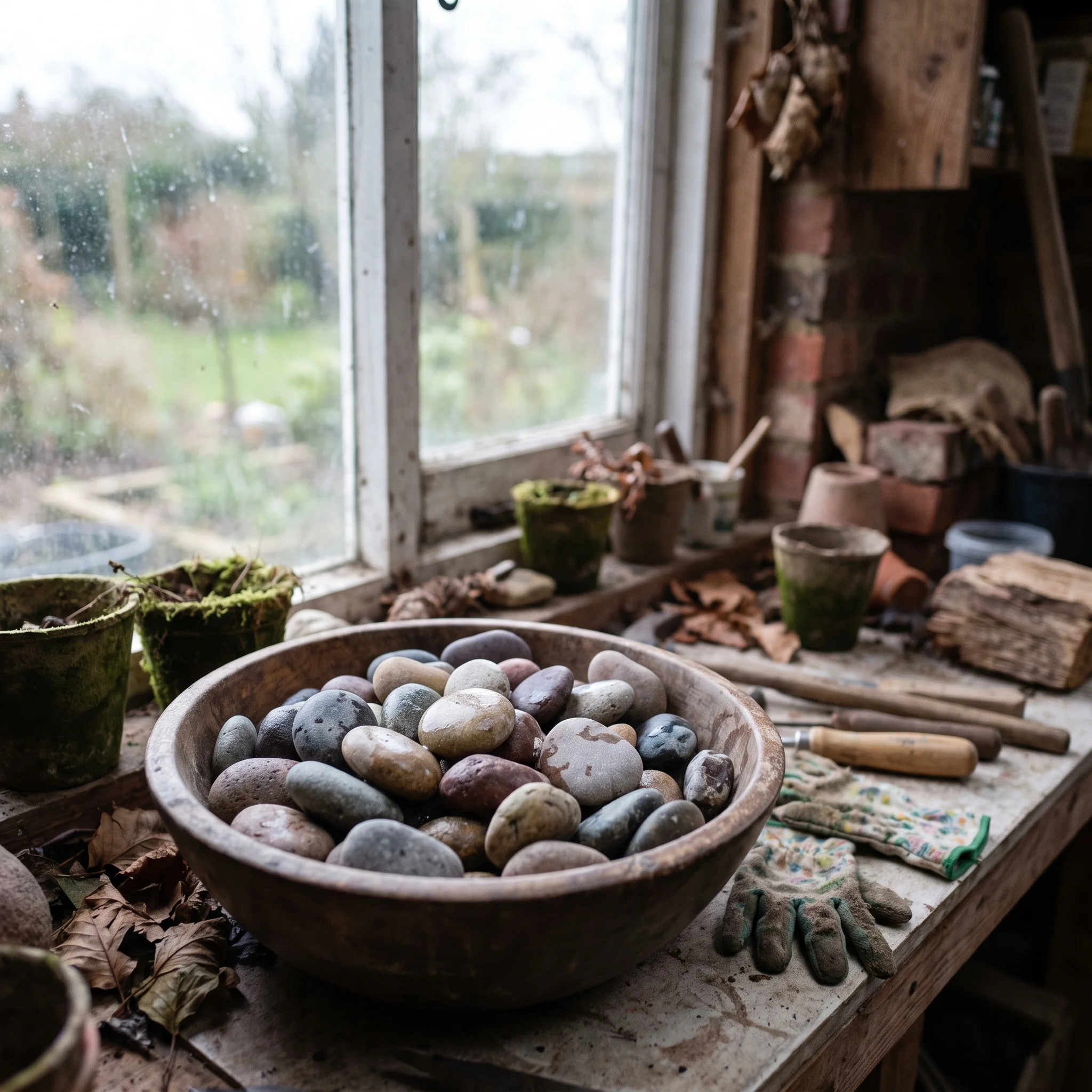
Those stones end up in a bowl on the windowsill. By the end of a term it's quite a collection.

A wooden bowl of smooth wet river stones sitting on a workshop windowsill in grey daylight
This term's stones, so far.

What they eat

What they eat, written down where you can find it

This week's food

It's one of the four questions I'm asked every week, so here's how it works. I write the week's menu out and pin it to the back door on Monday morning, and the same list goes here. If you're reading this before I've got to it, ask me and I'll read you this week's straight off the door.

  • What's for lunch, each day of the week

    Written out plainly, so you can see what your child actually ate rather than a description of a food policy.

  • How the babies are fed

    Tell me where your baby is with milk and weaning and we'll follow what you're doing at home. I'm in the baby room three days a week, so this is a conversation we can have face to face.

  • Allergies, and things your child won't eat

    Tell me before they start and I'll go through exactly how we handle it here. Nothing is assumed.

Anything else about food, ask when you come to look round. What's included in the fees is written on its own page.
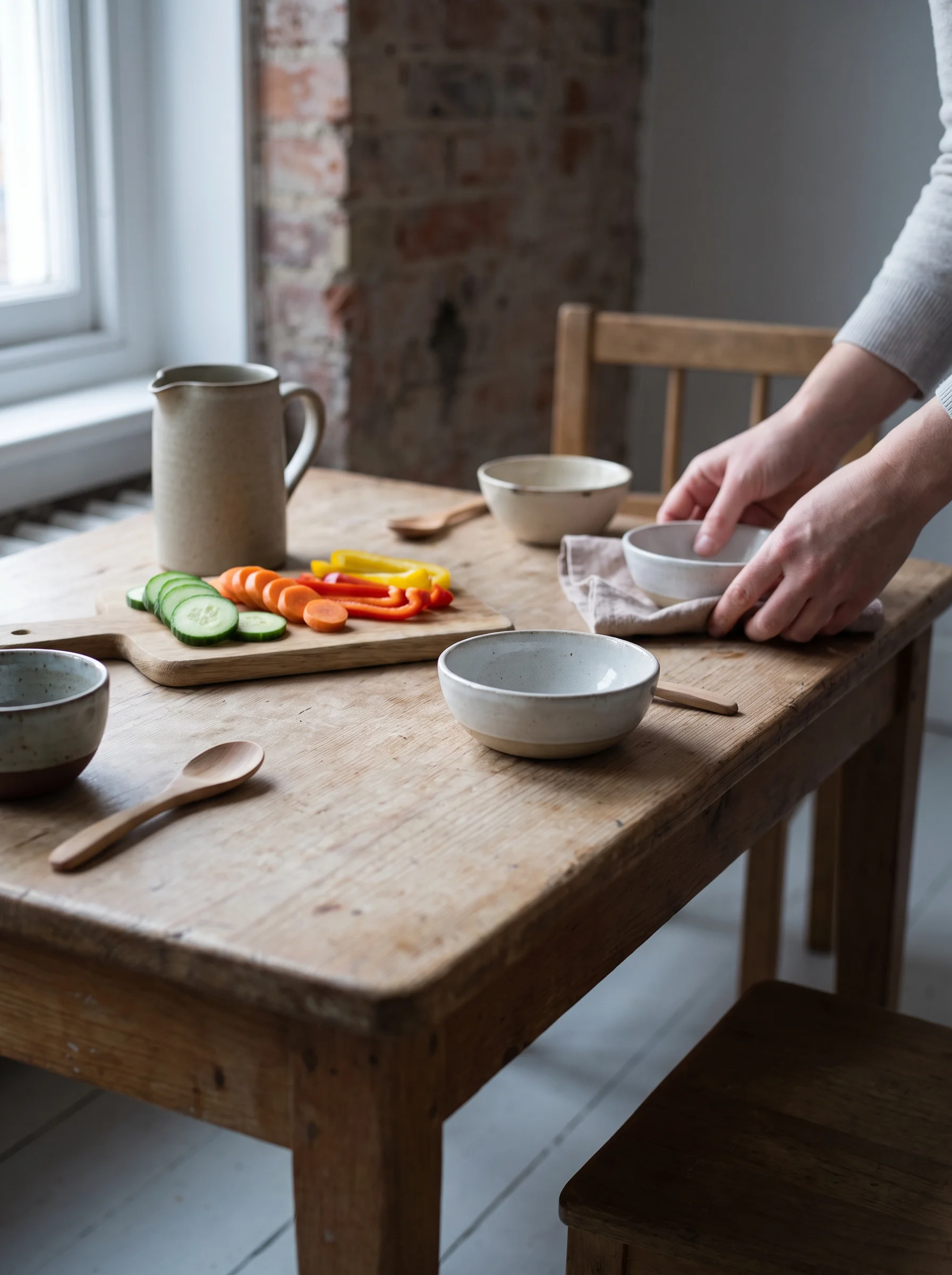
A wooden table set with ceramic bowls, wooden spoons, a jug of water, and a cutting board with sliced vegetables, while hands arrange a bowl.
Lunch being got ready, from a chair's height.

That's the yard as far as a web page can show it. If you'd like to see the rooms, the garden and the step where the wellies live for yourself, tell me a day that suits you.

Come and have a look round